Sponsored
Fieldwork as Form: The International Ethnographic Triennial
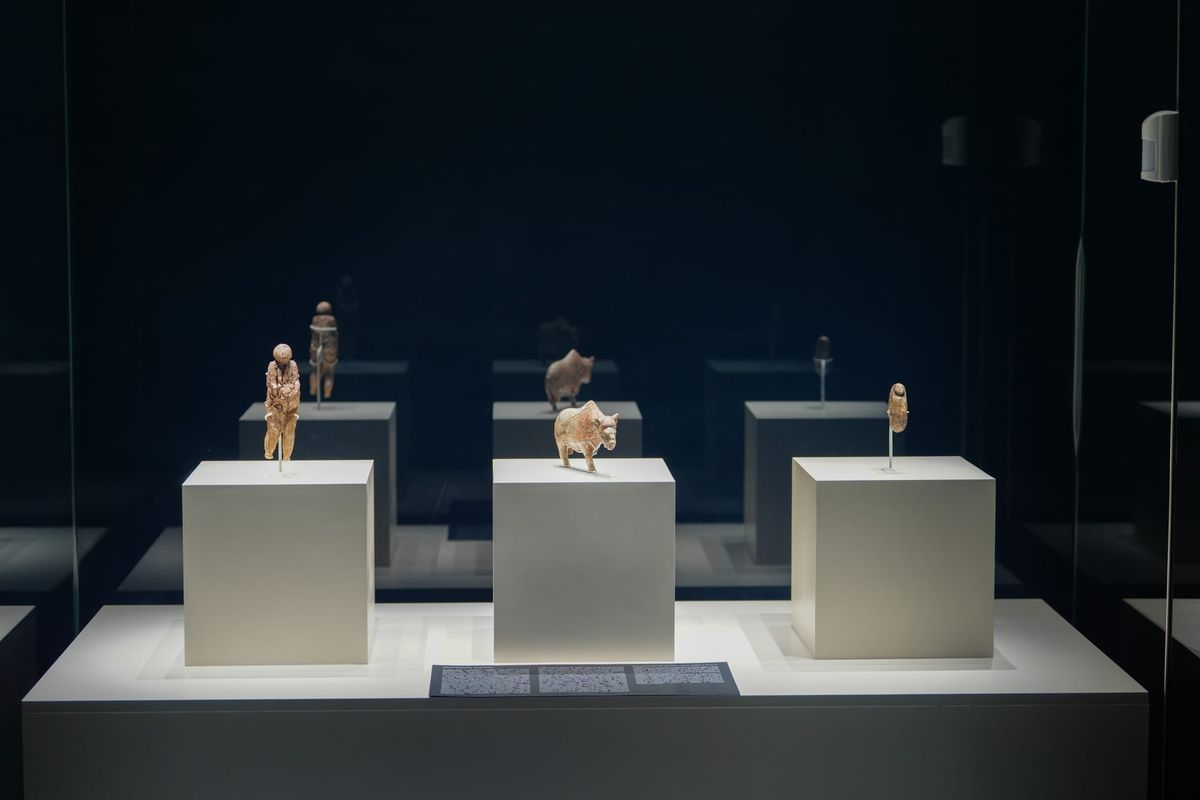
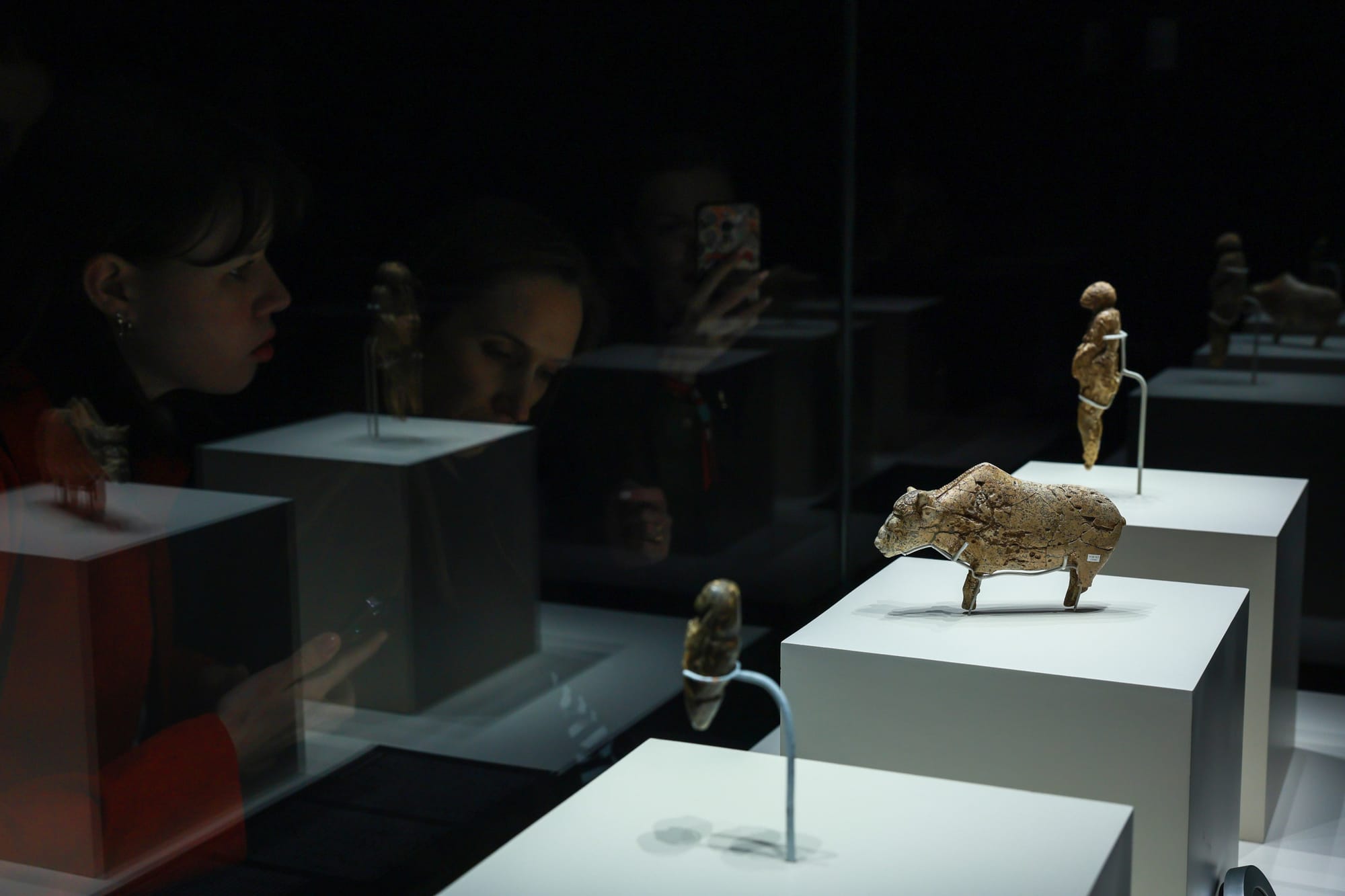
Around 22,000 years ago, a small bison figurine was carved from mammoth ivory in what is now Zaraysk, a town roughly 100 kilometers southeast of Moscow. At just 10 centimeters, the object is among the oldest figurative sculptures known to exist. It is also the starting point for the International Ethnographic Triennial (IET), organized by the National Centre “Russia,” a project that launched in Zaraysk this past summer and is building toward a main exhibition in 2030.
Conceived as an encounter between contemporary art practice and the discipline of anthropology, the Triennial is currently in the midst of a multi-year research phase. For the next several years, artists, curators, anthropologists, filmmakers, and museum specialists from various countries will conduct field expeditions, collaborate with regional ethnographic and local-history institutions, and develop international expert and curatorial councils. The project will also unfold an extensive programme including exhibitions, research, educational courses and expeditions. Its aim is to create a space in which artistic and scientific practices will allow a fresh look at cultural heritage and reveal points of contact between different societies and traditions.
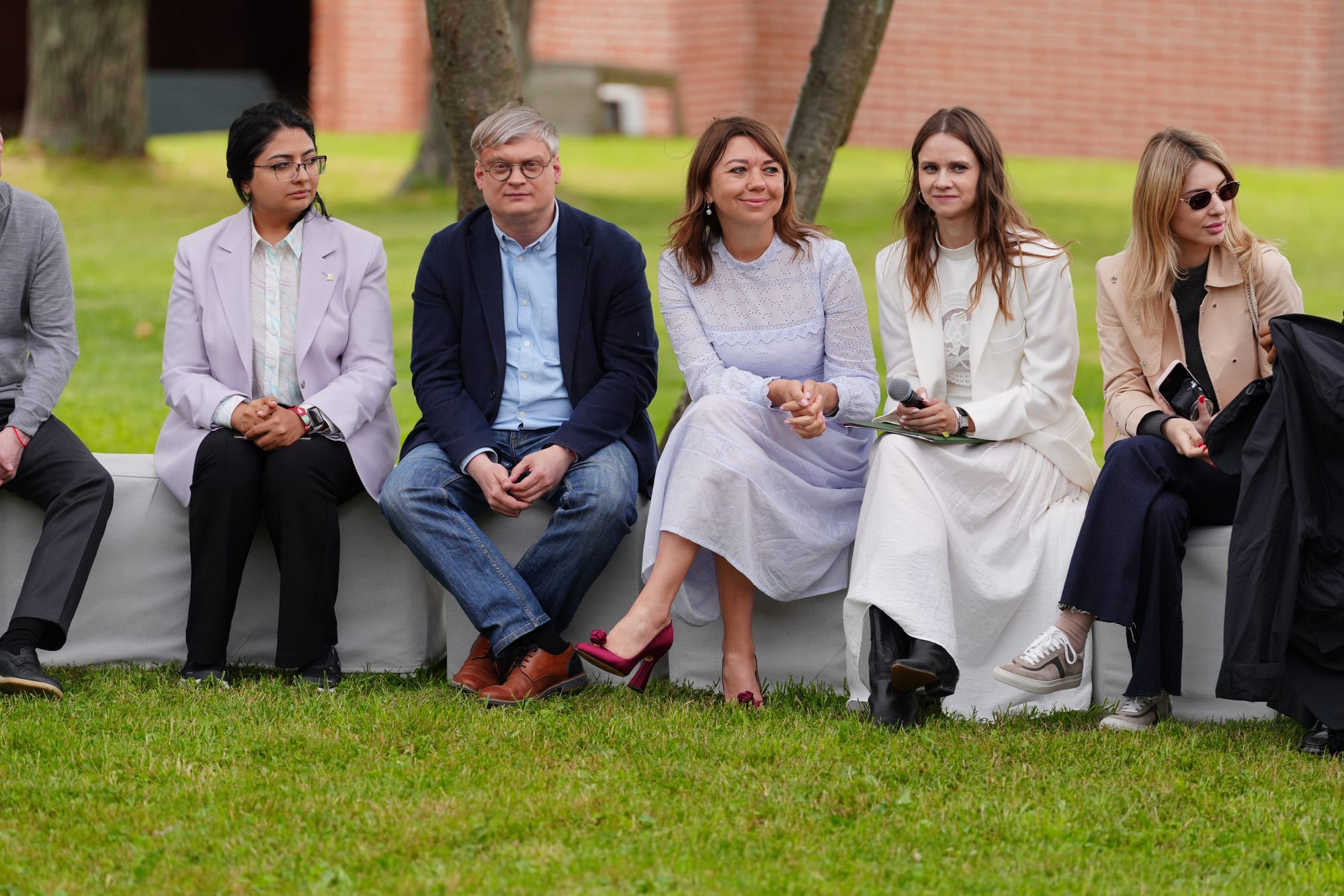
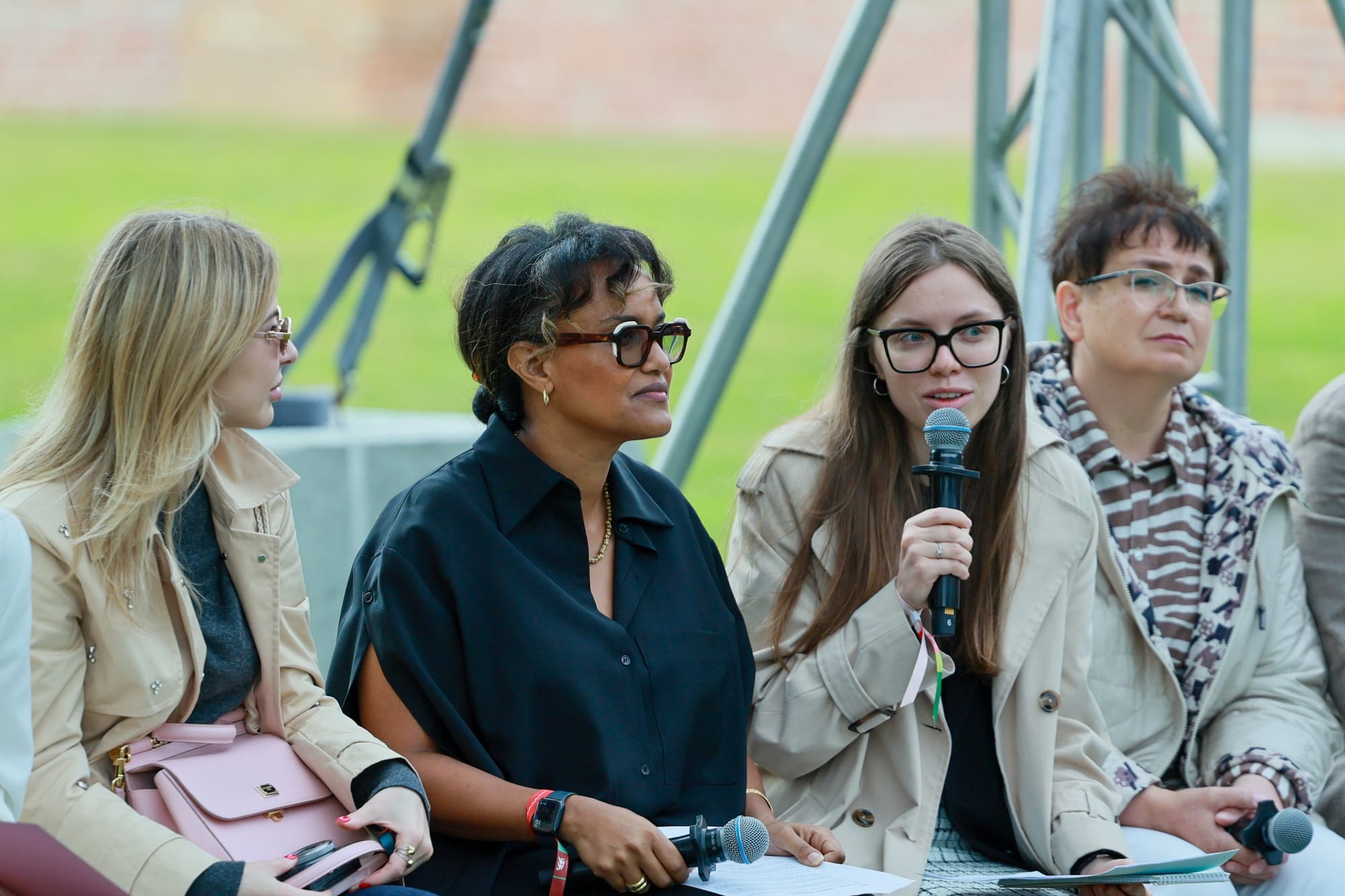
Left: ELENA YUSHINA, Head of the Exhibition and Curatorial Department, National Centre “Russia,” (TBC), and NATALIA VIRTUOZOVA, Director General, National Centre “Russia,” and Commissioner of the International Ethnographic Triennial, with participants. Right: MEHRET MANDEFRO, co-curator of the International Ethnographic Triennial, with participants, at the meeting of the International Ethnographic Triennial, Zaraysk, 2026.
Zaraysk holds a rare compression of historical layers: at its base, the Upper Paleolithic, represented by the bison and a group of small “Venus” figurines that represent some of humanity’s earliest attempts at image-making. Above that lie centuries of Russian regional life, and then the literary and sculptural associations of Dostoevsky, whose family estate lay in the surrounding district, and the sculptor Anna Golubkina, who was born in the town. IET Commissioner Natalia Virtuozova described the site as a place where “the memory of the human being has been preserved” across millennia, and framed the project’s purpose as comprehending that past while orienting toward the future.
Mehret Mandefro (USA/Ethiopia), an anthropologist and filmmaker serving as one of the Triennial’s international co-curators, emphasized fieldwork as a discipline of presence rather than detachment: “Ethnographers do not simply observe another culture from the outside—they are in the midst of events, try the food, attend rituals, try to understand a way of life from within.” For the IET, the ethnographic approach is not a scholarly framework imposed on art but a shared mode of attention that art and research can inhabit together. Elena Yushina, who heads the IET’s curatorial department, elaborated that the project is “a living laboratory where anthropologists, artists, and museum specialists work side by side.”
When the main show opens in 2030, it will draw together contemporary artworks, field research outcomes, and archival and museum holdings, with a parallel public programme of discussions, screenings, and international conferences. The IET’s longer-term vision is to function as a sustained platform beyond 2030, maintaining networks among institutions, researchers, artists, and communities engaged with cultural memory, identity, and shared futures.