News
Alexey Morosov to Represent Kyrgyzstan at 2026 Venice Biennale
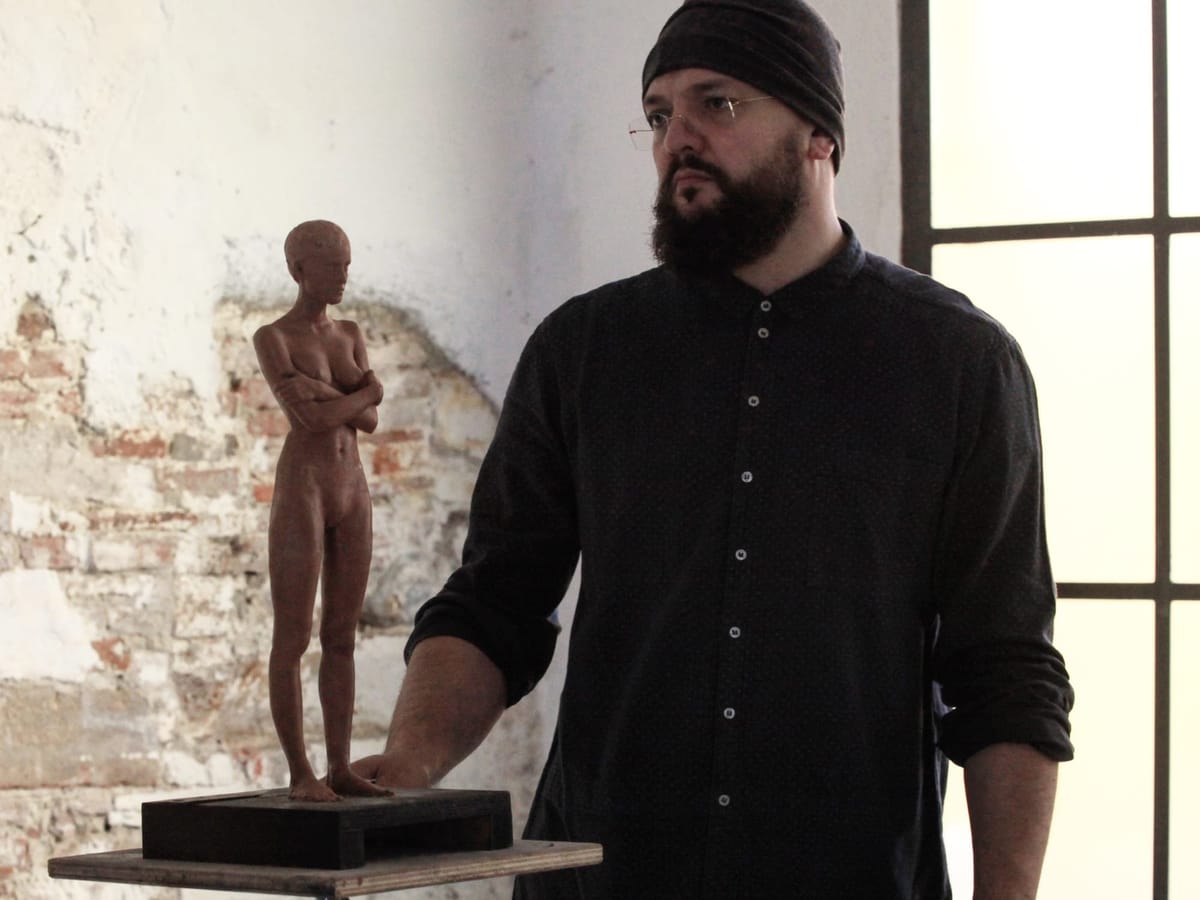
The Republic of Kyrgyzstan has selected Alexey Morosov to present its national pavilion at the 61st Venice Biennale, which opens on May 9. Curated by art historian Geraldine Leardi, the exhibition will showcase a large-scale, immersive installation titled BELEK, exploring the country’s nomadic heritage and modern-day hydro-engineering landscape, as well as the cultural significance of water.
Born in 1974 in Bishkek, Morosov works across sculpture, architecture, media art, and painting, often creating projects that engage with the history, memory, and cultural identity of a specific place. Following his nomadic roots, he began to travel around the world when he was 17 years old, and now lives and works in Italy. Morosov has been a member of the Russian Academy of Arts Presidium since 2014.
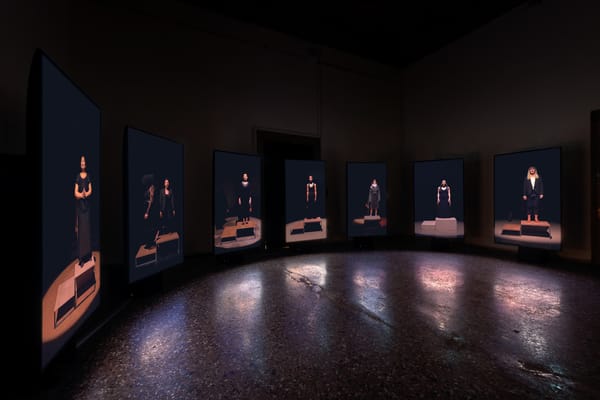
The title of his Venice project, BELEK, derives from the Kyrgyz word for “gift,” framing water as a sacred offering from nature that sustains life in the landlocked, mountainous region. Incorporating video, sculpture, painting, and sound, BELEK blends imagery of the nation’s glaciers and rivers with snapshots of Brutalist hydro-infrastructure from the Soviet era, which drastically altered Kyrgyzstan’s terrain in the late 20th century. A leitmotif in the work is Kok-Börü, an ancient equestrian game that involves two teams on horseback maneuvering an ulak (goat carcass) into the opponent’s goal. In BELEK, Morosov highlights this traditional sport as a significant cultural practice that embodies the collective spirit of the Kyrgyz people and the symbiotic relationship between humans, animals, and the environment.
"For me, BELEK is not a return to the past, but a movement through it,” said Morosov in a press release. “I was born and raised in Kyrgyzstan, a country shaped by nomadic culture, and I myself remain a nomad. This experience does not belong to memory; it operates as an inner geometry—the flow of water and the inheritance of ancestors living in our present time. In this project, my entire artistic trajectory is compressed into a single point of tension, where the gift loses its personal inflection and becomes a form of responsibility that can neither be transferred nor canceled.”
The Kyrgyzstan Pavilion is located within the historic Santa Caterina Church at Convitto Foscarini in the Cannaregio district.
Ashley Cheung is an editorial intern at ArtAsiaPacific.