Sponsored
2025 Hengshan Calligraphy Biennale — Calligraphy in Movement: From Literati’s Desk to People’s Streets
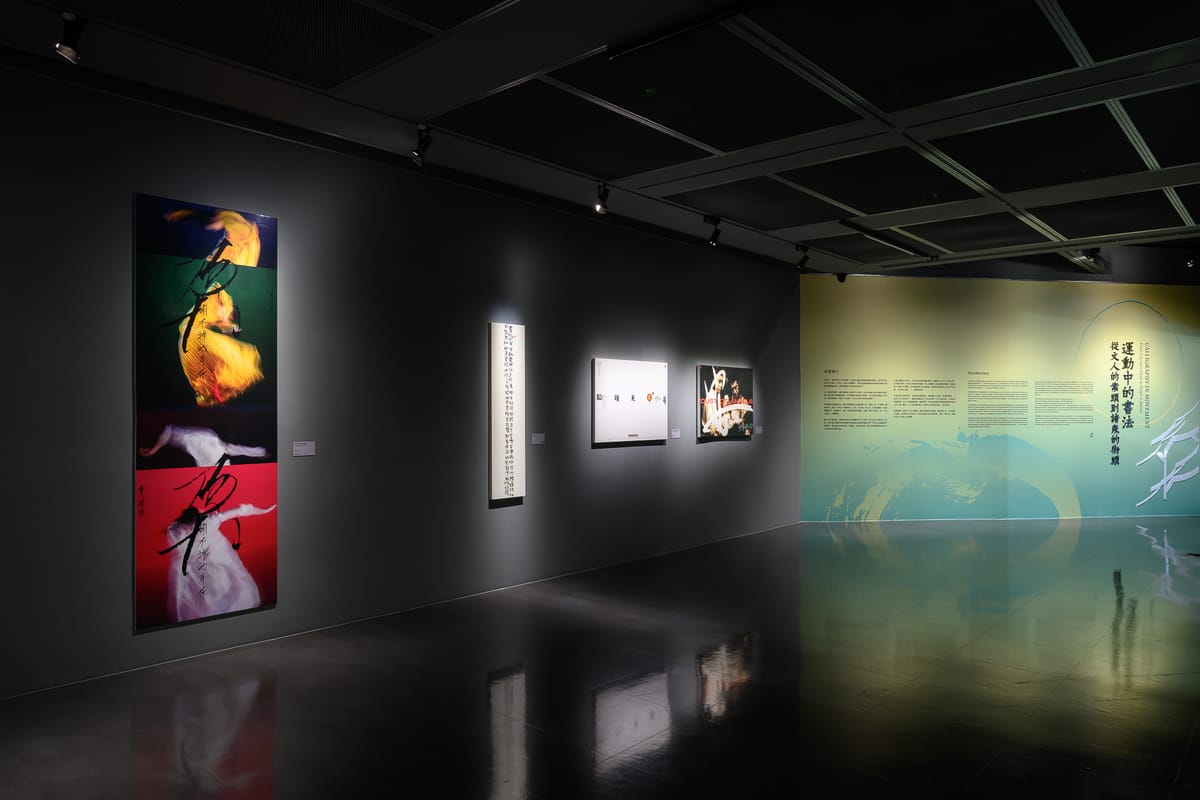
Taoyuan Museum of Fine Arts (TMoFA) established the Hengshan Calligraphy Biennale to promote the diverse development of calligraphy and to foster international and contemporary dialogue on the art form. Held at the Hengshan Calligraphy Art Center (HCAC), the Biennale aims to explore the critical role of calligraphy within today’s artistic landscape.
The second edition, “Calligraphy in Movement: From Literati’s Desk to People’s Streets,” is curated by Prof. Lin Chun-chen of National University of Tainan, with Gong JowJiun, Ohara Toshiki, and Tanigawa Masao serving as curatorial advisors. The exhibition will run from December 20, 2025 to April 13, 2026 at HCAC.
Bringing together 45 artists from Taiwan, China, and Japan and 87 works, the Biennale spans a wide range of formats—from traditional hanging scrolls, handscrolls, letters, and poetry drafts to daily accumulative writing practices and cross-disciplinary collaborations. Responding to the contemporary trend of viewing calligraphy purely as visual form, the curatorial team re-centers calligraphy as an act of writing. By exhibiting works from both “professional” and “non-professional” contexts, the Biennale challenges stylistic hierarchies and highlights the multiple ways calligraphy continues to evolve across history and modern culture.
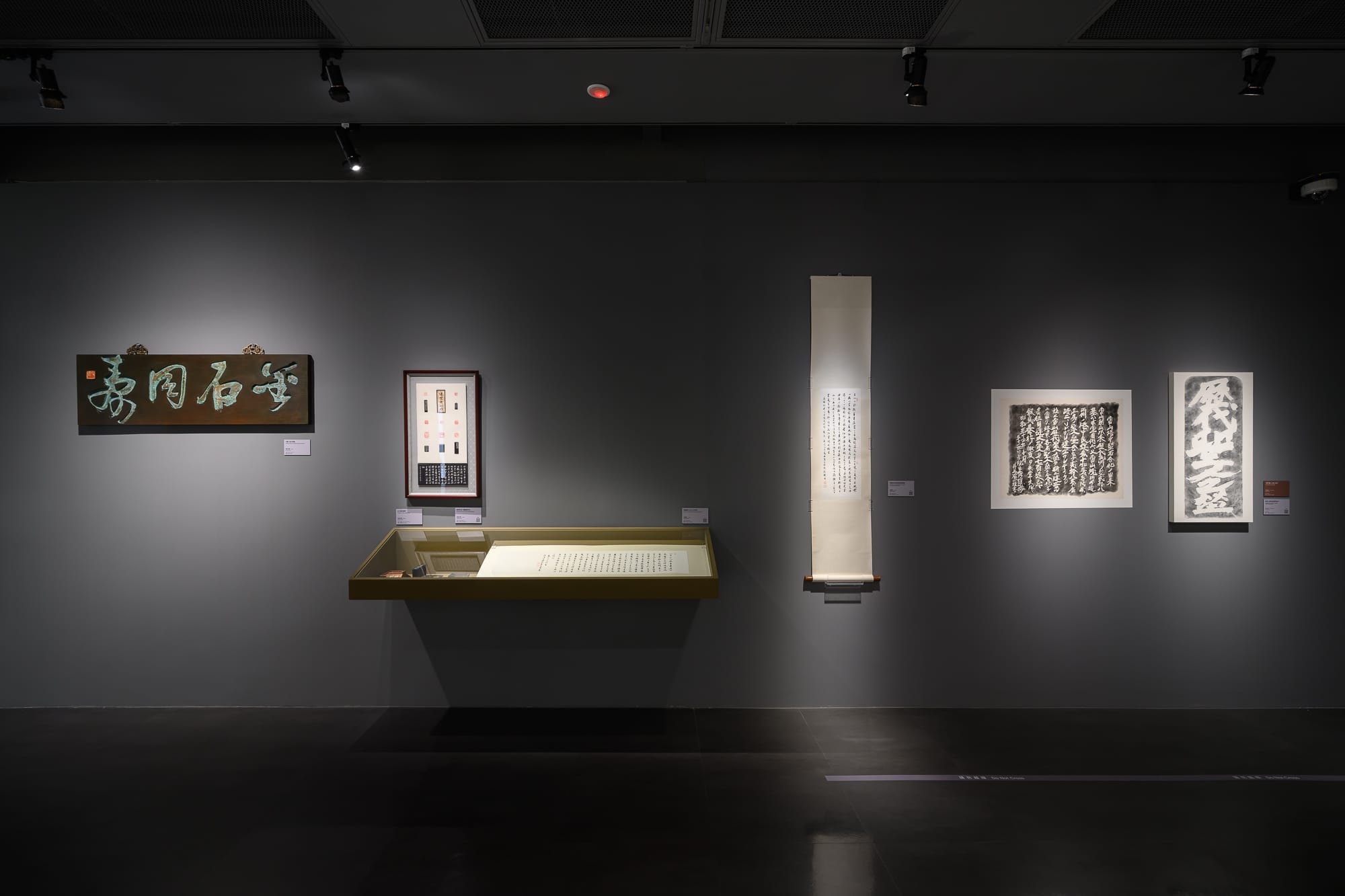
Looking Back and Looking Across: From the Scholar’s Desk to Collective Grounds
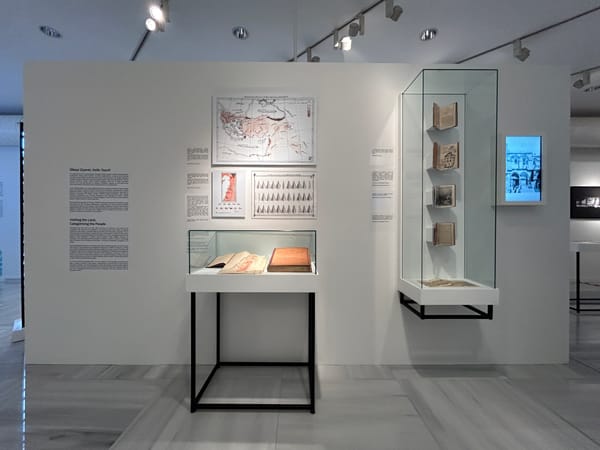
Through historical reflection and comparative display, the exhibition presents works that bridge formal calligraphic creation and everyday writing from the 17th century to today.
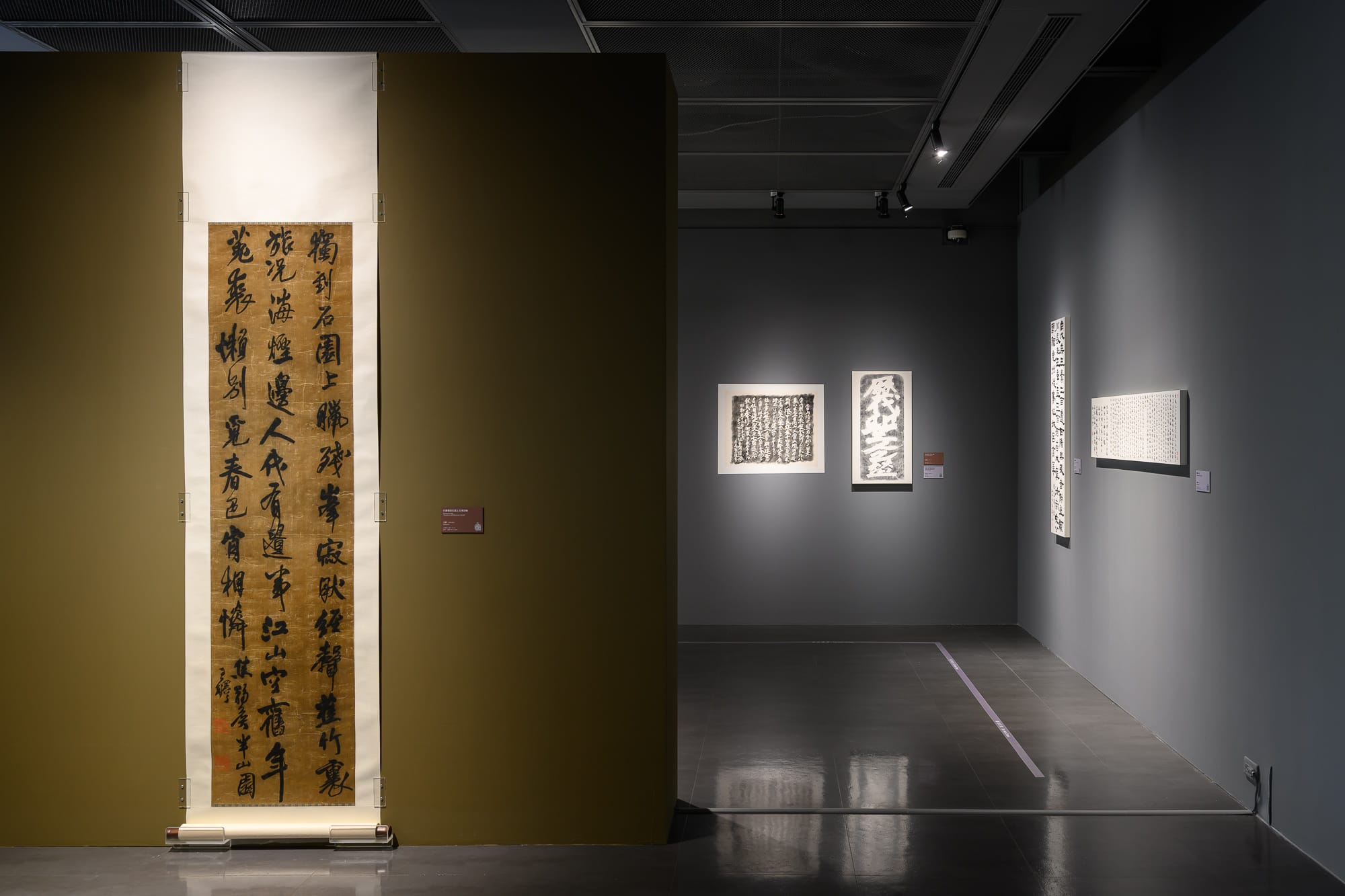
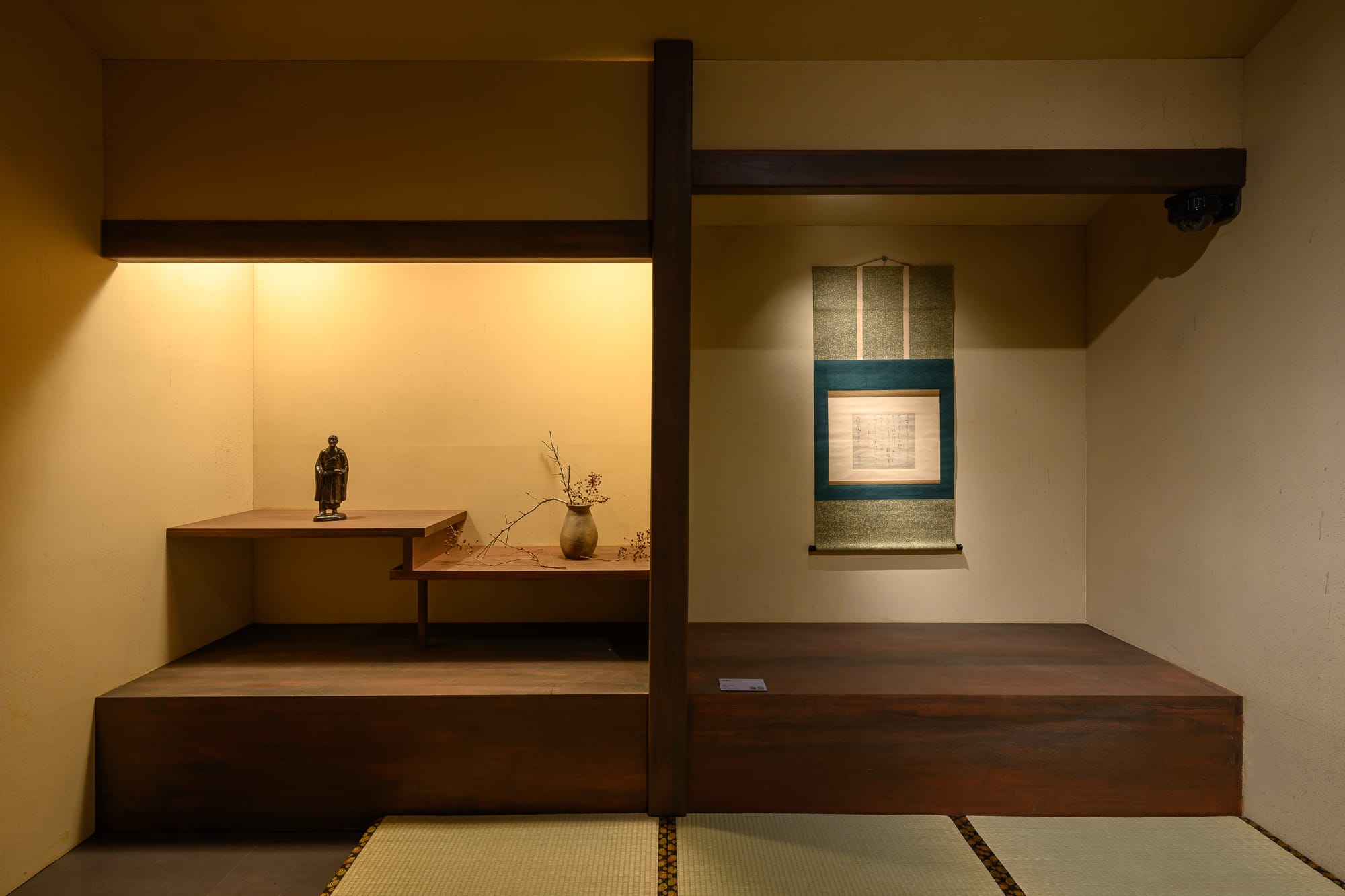
Wang Duo’s Six Sheets of Poetry Drafts reveals bold, layered brushwork and visible revisions—capturing the immediacy of writing as lived expression. A dedicated tea-room installation inspired by the hermitage of Japanese monk Ryōkan showcases his Letter to Abe, with gentle brushstrokes that embody friendship, daily life, and quiet reflection. Such juxtapositions highlight the dual nature of calligraphy as both creative art and lived practice.
The exhibition also explores how calligraphy moves beyond the desk into public and social arenas. From local landscapes and graphic design to the writing seen in social movements, calligraphy continues to shape civic culture.
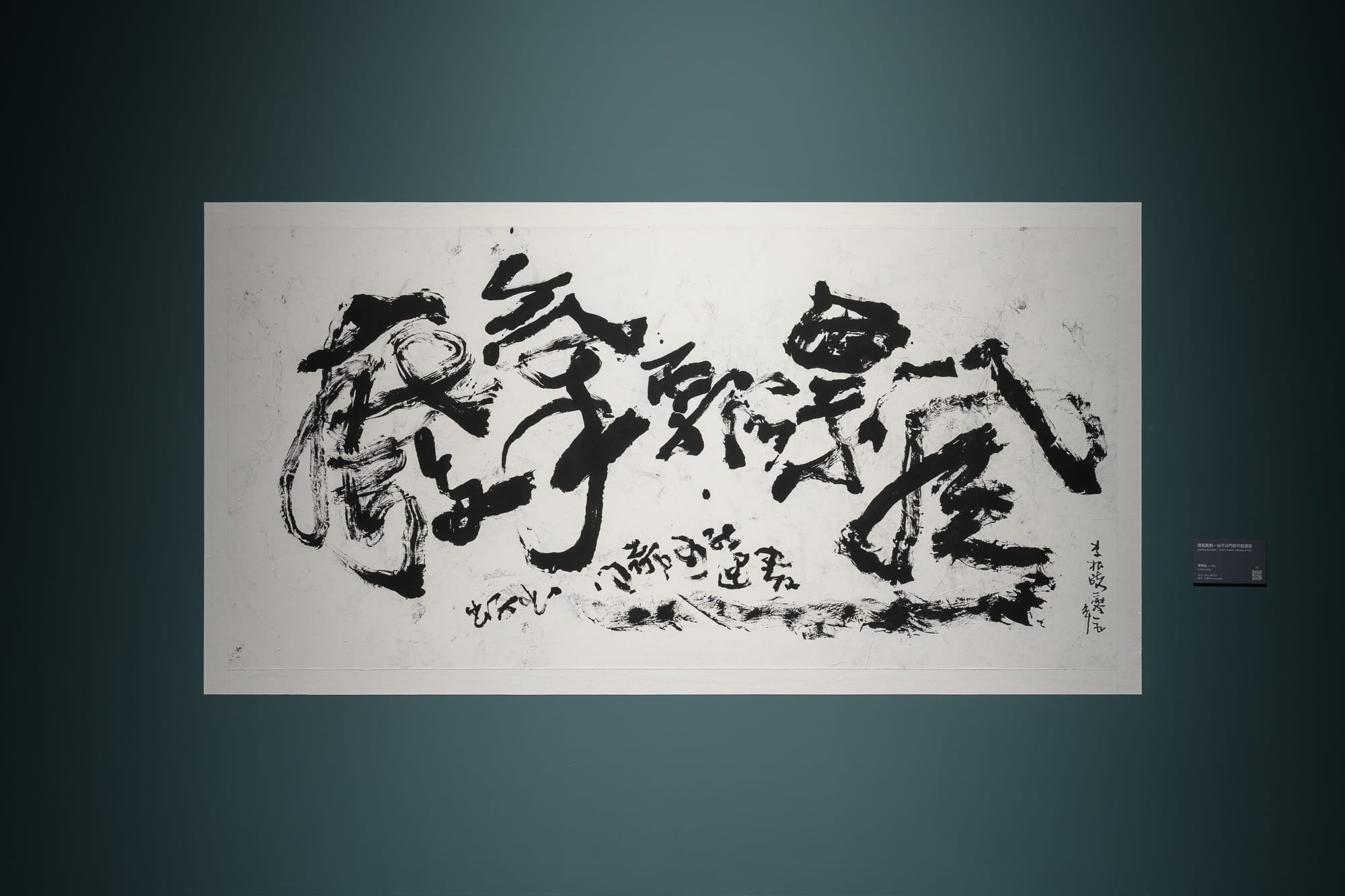
Li Ken-cheng’s Drifting Exhaust — Harm Awaits Indoors or Out (2015), written on a windy beach in Taixi, Yunlin, mixes sand and ink, sealing in the air of pollution as a warning against ongoing industrial crises. This work demonstrates how calligraphy can articulate political, social, and embodied forms of expression beyond conventional aesthetics.
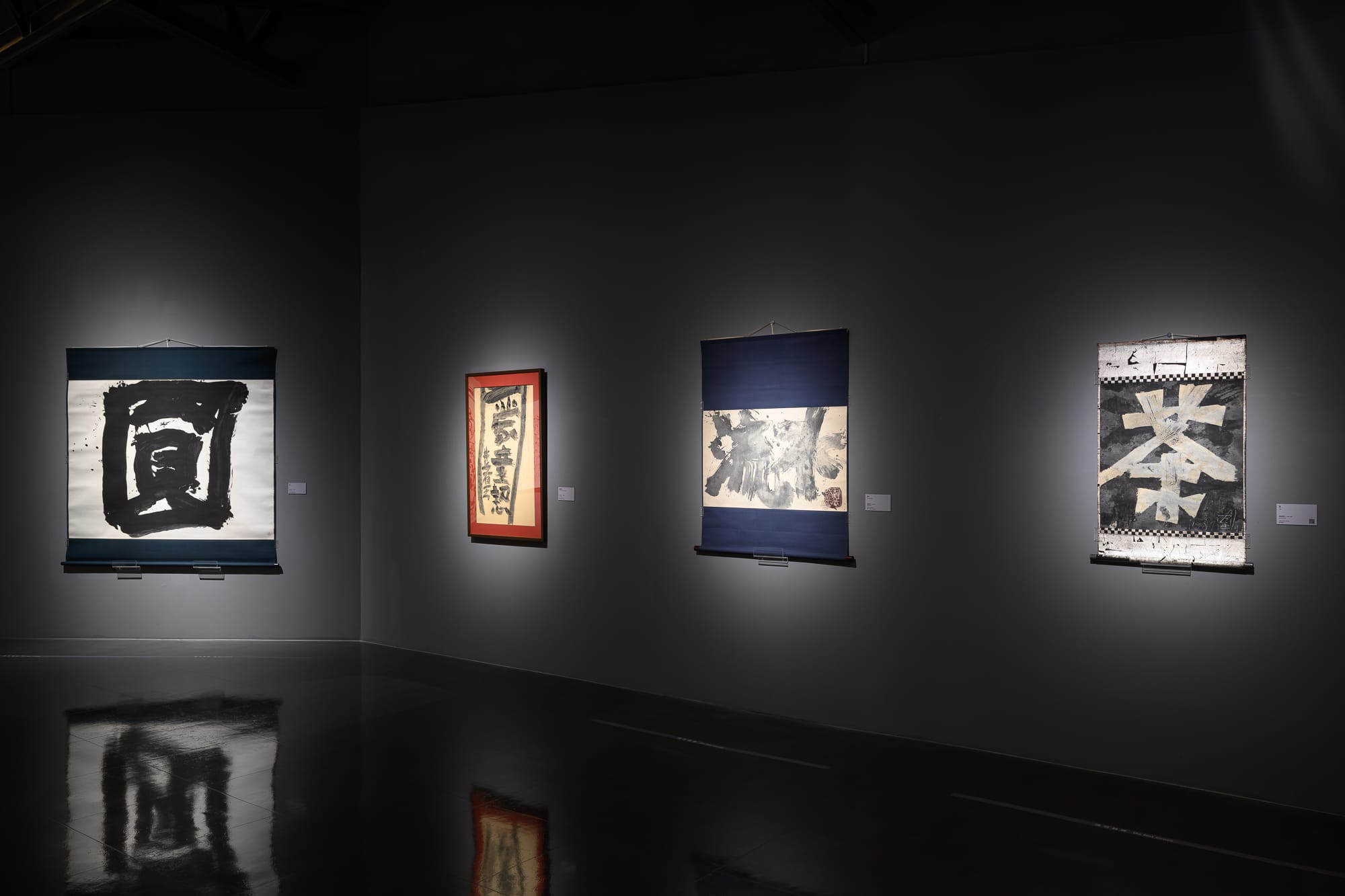
New Relationships with Calligraphy: From Japanese Lineages to Contemporary Life
The exhibition also reflects on Japan’s unique calligraphic developments. From the Kamakura period onward, monks and painters embraced spontaneous, expressive writing outside orthodox norms. Postwar avant-garde calligraphers continued this spirit, proving that innovation arises not only from stylistic change but from rediscovering the human presence within writing.
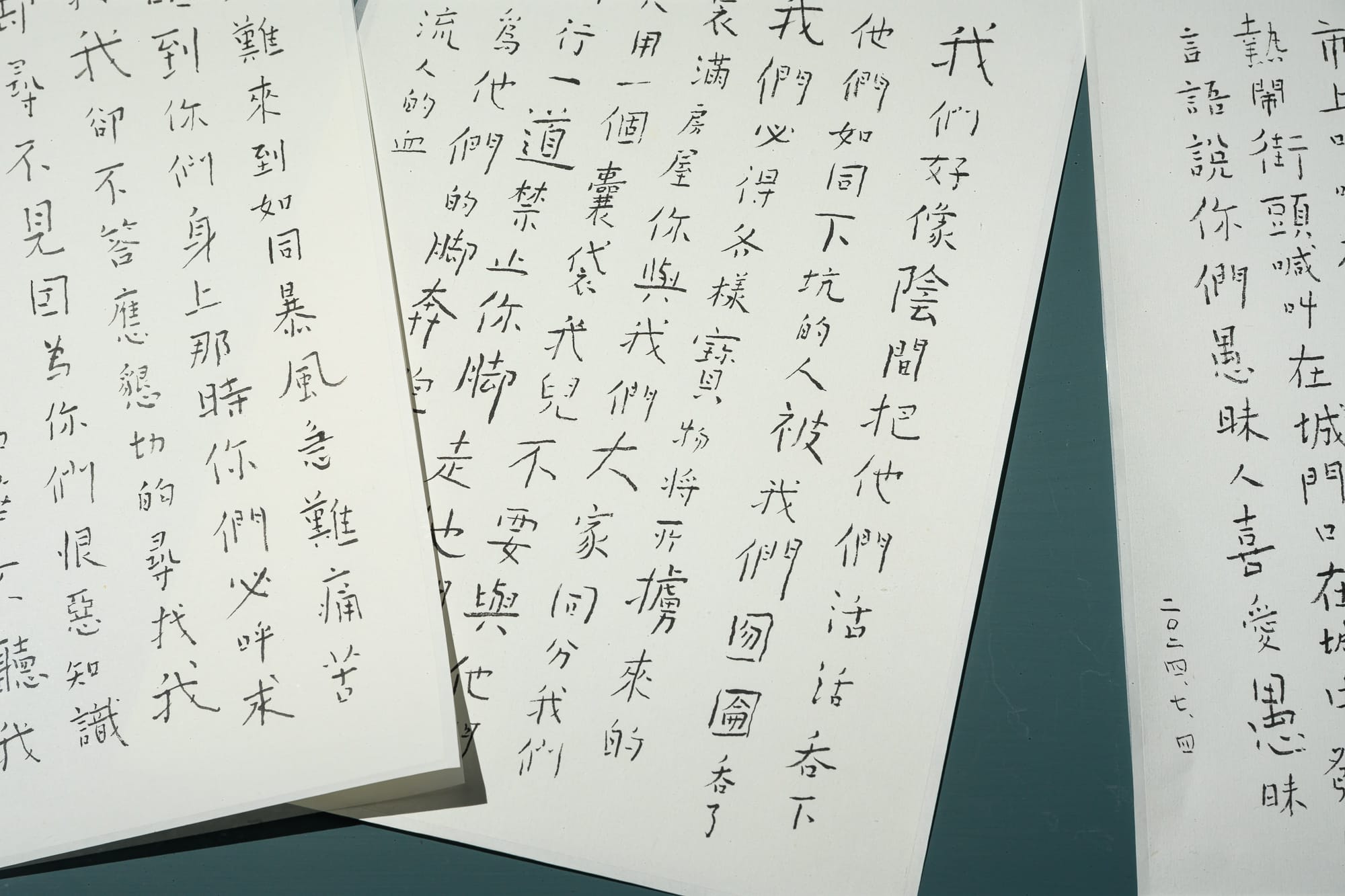
This sensibility appears in Shih Chun-chi’s 365, Daily Bible Writing, in which the artist hand-copies a passage of scripture each day for a year. Writing becomes meditation—a rare moment of quiet in contemporary life.
Curator Lin Chun-chen poses a central question: Can we rebuild a “new practical relationship” with calligraphy in today’s society? Can calligraphy once again become part of our emotional expression, daily habits, or personal rituals?
By placing professional and amateur works, classical and contemporary examples, and art and life side by side, the Biennale serves as a cultural laboratory. It invites audiences to reconsider writing as a deeply human form of expression.
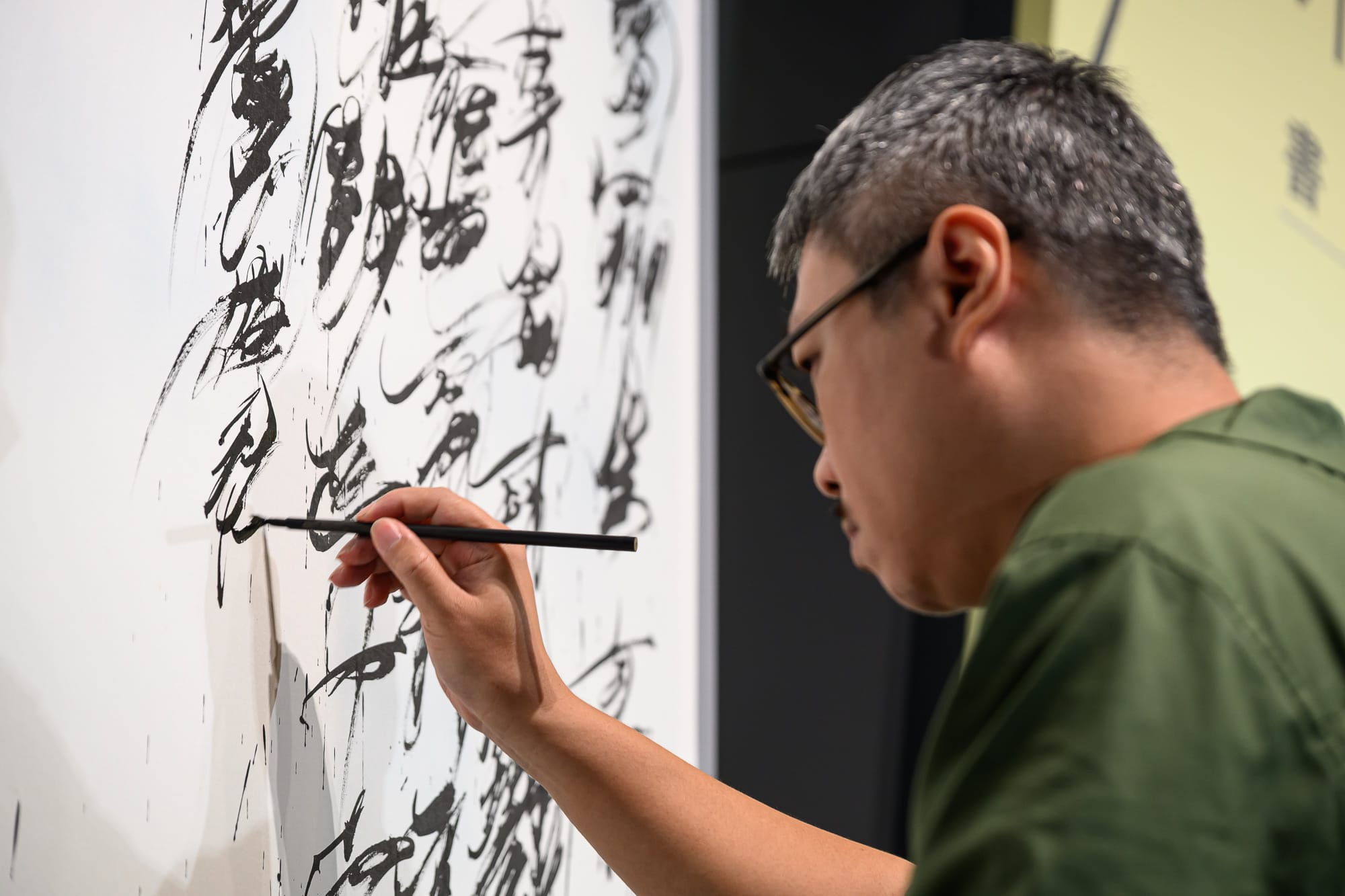
Cross-Disciplinary Opening Performance & Local Art Network in Qingpu
The Biennale also emphasizes new applications of calligraphy. The opening performance features musician Lim Giong and participating artist Ho Chia-hsing in a collaboration inspired by the poetry of Chou Meng-tieh—merging electronic music with live calligraphy to present an experimental, cross-disciplinary dialogue.
Connecting back to local culture, HCAC partners with art spaces across the Qingpu district—Yin Art Space, Living Lab Gallery, A. HERITAGE, and 2Gather—to present parallel exhibitions and talks that extend calligraphy into community life.
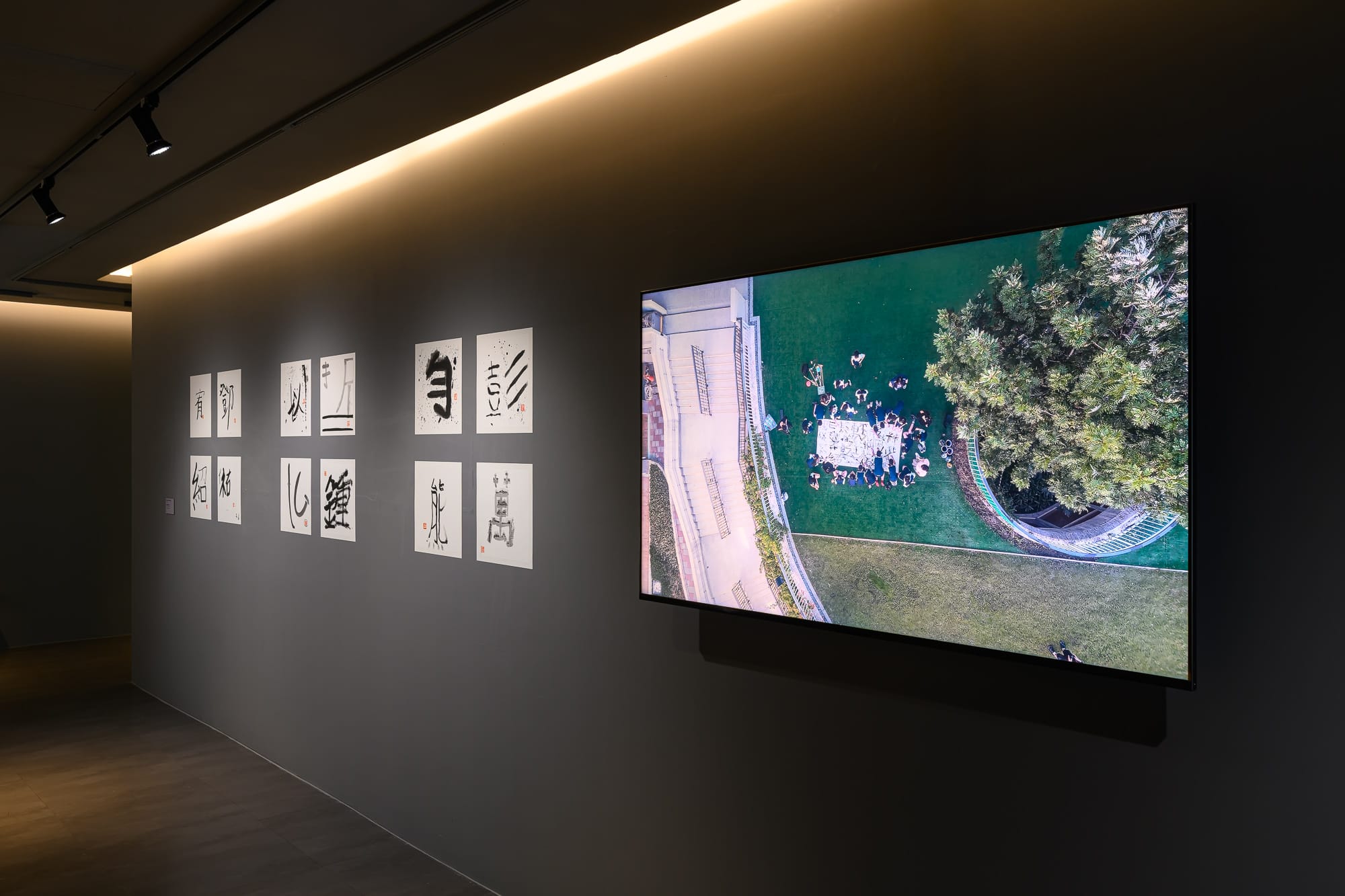
The Biennale further expands into educational settings through a collaboration with Qing Yuan Elementary School. Artist Cheng Wan-chien led sixth-grade students in writingand-sound experiments, observing daily writing habits and creating works that reflect calligraphy’s relevance in modern life. These student projects will also be displayed in the exhibition.
Exhibition Information
Dates: December 20, 2025 (Sat) – April 13, 2026 (Mon)
Venue: Hengshan Calligraphy Art Center (HCAC)
A series of lectures and public programs will accompany the exhibition.
For more information, please visit: https://tmofa.com/art04cru6j